

The five investing mistakes Halpin advisers see most often
For many experienced investors, the hardest part is not getting started. It is staying on course as life changes, markets shift and confidence ebbs and flows. Even financially comfortable households who have been investing for years often tell us they still wonder whether they are doing the right things, or if their money could be working harder for them.
At Halpin Wealth, we see the same patterns come up again and again. They are not dramatic missteps. More often, they are small habits or assumptions that can quietly slow progress or limit long-term potential.
Here are five investing mistakes our advisers see most often, and how a more thoughtful approach can help build confidence for the future.
 1. Letting cash sit idle instead of working harder
Michael Hart, Joint Managing Partner
Holding cash feels safe. It is simple, predictable and easy to access, which is why many experienced investors naturally default to keeping more in the bank than they need.
But Michael sees the downside regularly.
“Cash has a place, especially for emergencies and short-term goals, but beyond that it can actually hold people back,” he explains. “If large balances sit still for too long, the real value goes backwards. Inflation erodes the purchasing power without people even noticing.”
Many Halpin clients do not need help building wealth from scratch. They need help making sure their existing assets keep pace with life’s rising costs. A balanced investment strategy allows money to grow in the background while still maintaining the safety nets that matter.
“When clients see the difference a purposeful structure can make over time, the fear of investing tends to fall away,” Michael says.
 2. Becoming too conservative too early
Heath Visser, Financial Adviser & Partner
Caution is understandable, particularly as people approach retirement. But Heath notes that many investors shift too heavily into defensive assets long before they need to.
“A lot of people think being conservative equals being safe,” he says. “But if you move too far in that direction too early, your money may not keep pace with the cost of living.”
With Australians living longer and retirement often spanning 25 to 30 years or more, portfolios need enough growth to maintain purchasing power. Too much defensiveness creates a different kind of risk: running out of options later in life.
Heath focuses on helping clients find a balance that supports both comfort today and sustainability over the long run.
“It is not about chasing returns,” he says. “It is about helping clients enjoy their lifestyle without worrying their money will fall behind.”
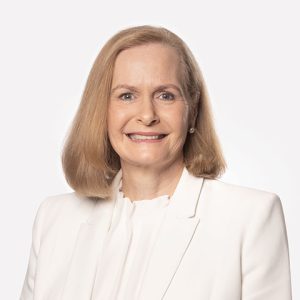 3. Focusing on a “number” instead of a purpose
Jane Gun, Financial Adviser & Partner
Many investors have a target figure in mind. One million dollars. Two million. A round number that feels reassuring.
But Jane sees how this mindset can unintentionally restrict people.
“Investing is not about hitting a single magic number,” she explains. “It is about understanding what you are working towards and building the right structure to support it.”
For some clients, the purpose might be maintaining a comfortable lifestyle. For others, it might be travel, family support, or a long-term legacy. Once the purpose becomes the anchor, the investment strategy becomes clearer and more flexible.
“Chasing a number can create pressure,” Jane says. “Building a strategy around your lifestyle and goals creates confidence.”
 4. Overlooking tax considerations when investing
Jordan Kitto, Financial Adviser & Partner
Tax is one of the most underestimated factors in long-term investing. Jordan often meets clients who have strong investment knowledge, yet still lose unnecessary value through poorly timed sales, holding structures or portfolio decisions.
“It is not about avoiding tax,” Jordan says. “It is about understanding how the timing of decisions can affect outcomes.”
Simple things, like when you realise capital gains, which entities hold your investments, or how distributions are received, can make a meaningful difference over the years.
Many investors focus solely on performance without realising how much quiet drag tax can introduce.
“A thoughtful investment structure provides flexibility,” Jordan explains. “It helps clients keep more of what they have worked hard to build.”
 5. The unique investing challenges women face
Kathryn Liebezeit, Financial Adviser
Women often approach investing differently, and not because of capability, but because of the financial paths their lives take. Kathryn sees this every week.
“Women tend to take more career breaks, contribute less to super across their working life, and often prioritise family needs before their own financial goals,” she says.
This can lead to lower account balances and greater hesitancy or caution when making investment decisions.
Kathryn works closely with women who want to build confidence and clarity around investing.
“Once women understand their options and see how even small, consistent steps make a difference, the confidence grows quickly,” she explains. “Investing is not about being bold. It is about being informed and intentional.”
Building confidence for the future
Investing does not require perfect timing or constant vigilance. It requires clarity about your goals, a structure that supports them, and a partner you can speak to when life changes.
Halpin advisers work with clients every day to help them feel more confident in their decisions, understand their options, and avoid the small mistakes that can quietly reduce potential over time.
If you would like to review your investment strategy or explore how your money can work harder for your long-term goals, contact us to start the conversation.
This information provided in this article is general advice only and has been prepared without taking into account your own objectives, financial situation or needs. Before making a financial decision based on this advice, you must consider whether it is appropriate in light of your own needs, objectives, and financial circumstances, and where relevant, obtain personal financial, taxation or legal advice. Where a financial product has been mentioned, you should obtain and read a copy of the Product Disclosure Statement (PDS) prior to making any decisions about whether to acquire a product.